3 hr
Osaka Shinsekai Food Tour: 15 Dishes & 3 Drinks
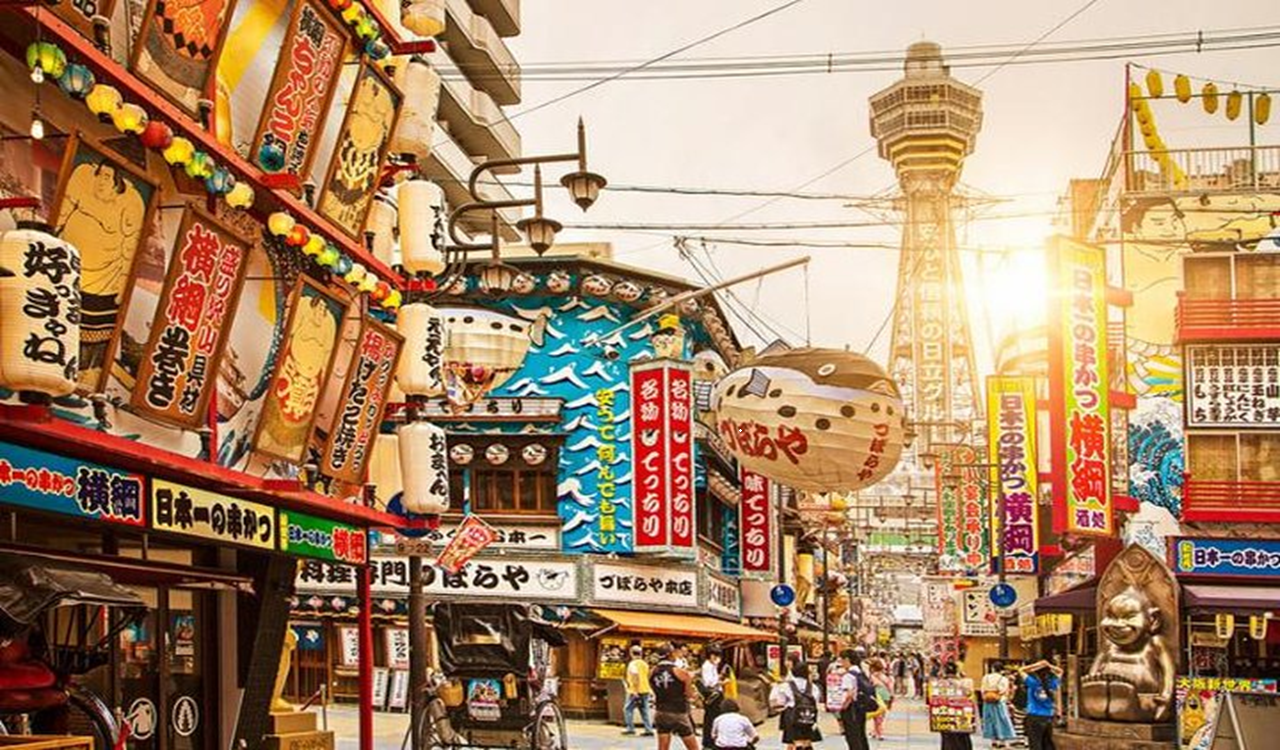
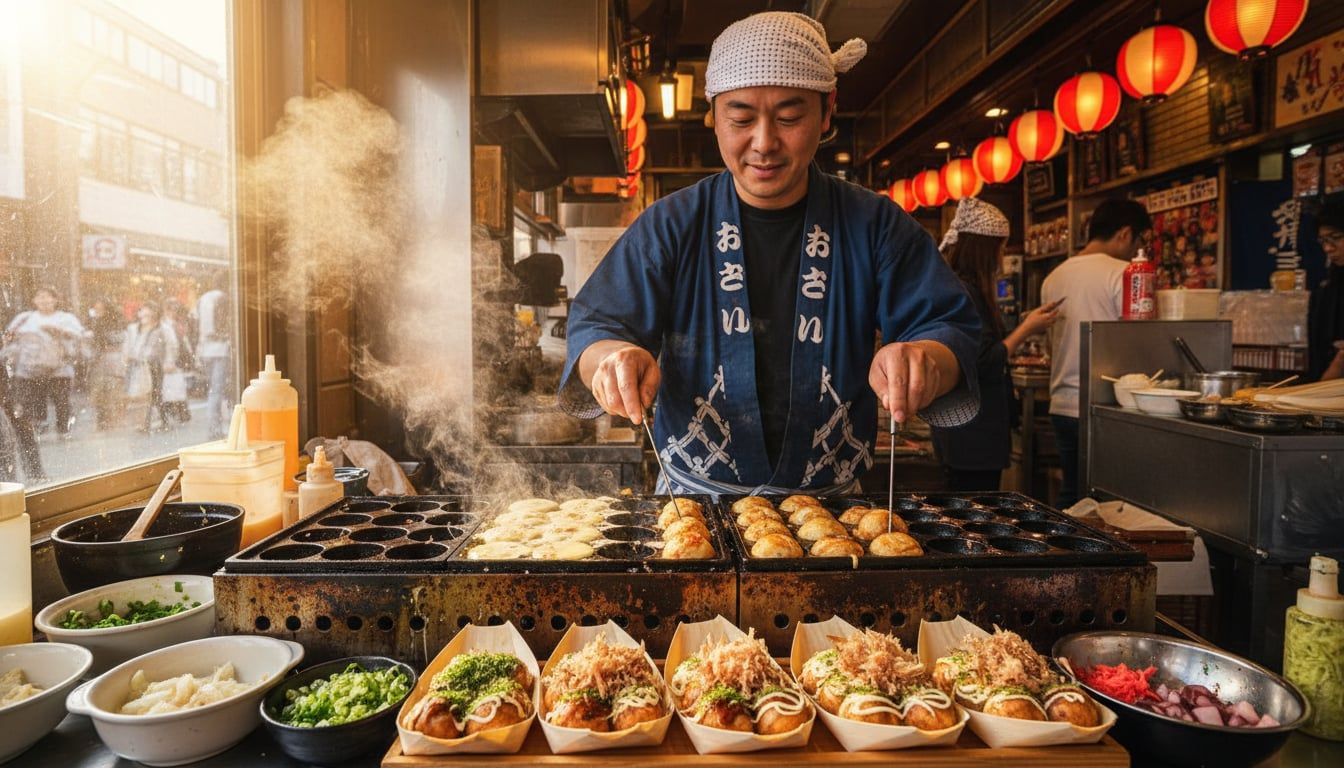
Explore hidden eateries in Shinsekai with a local guide, sampling takoyaki, kushikatsu, and 13 more dishes
Reserve
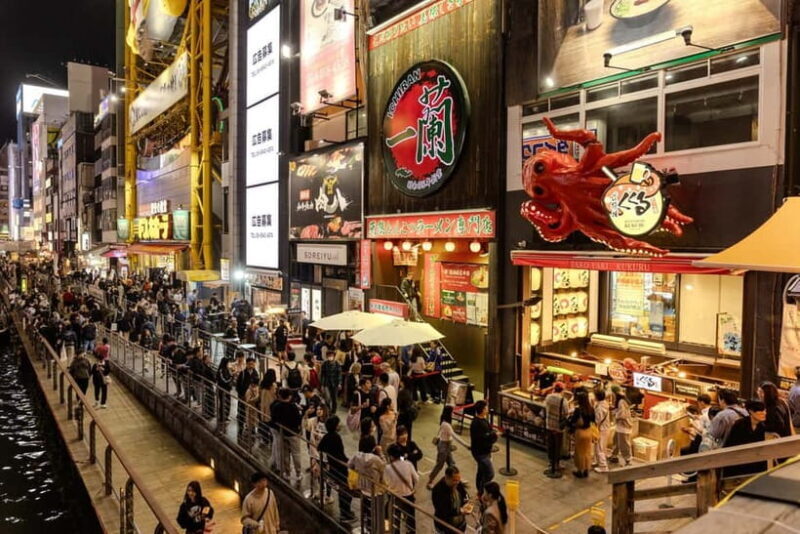
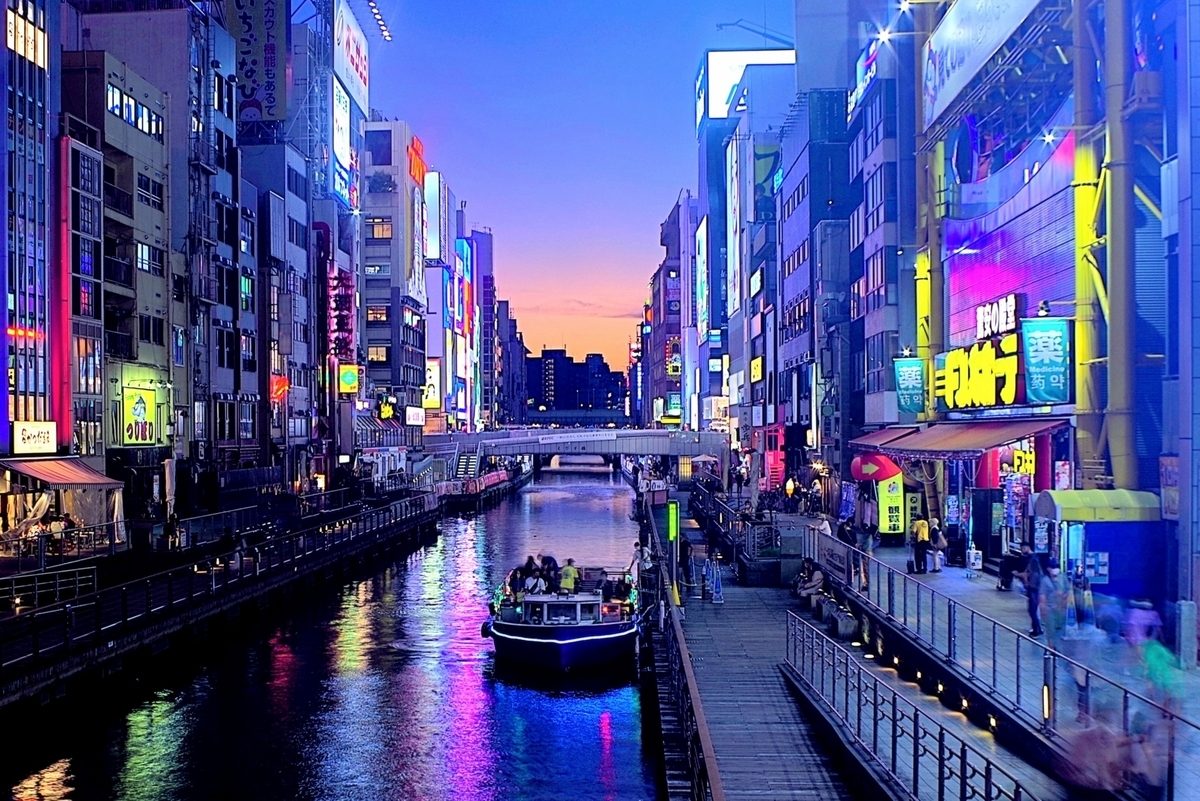
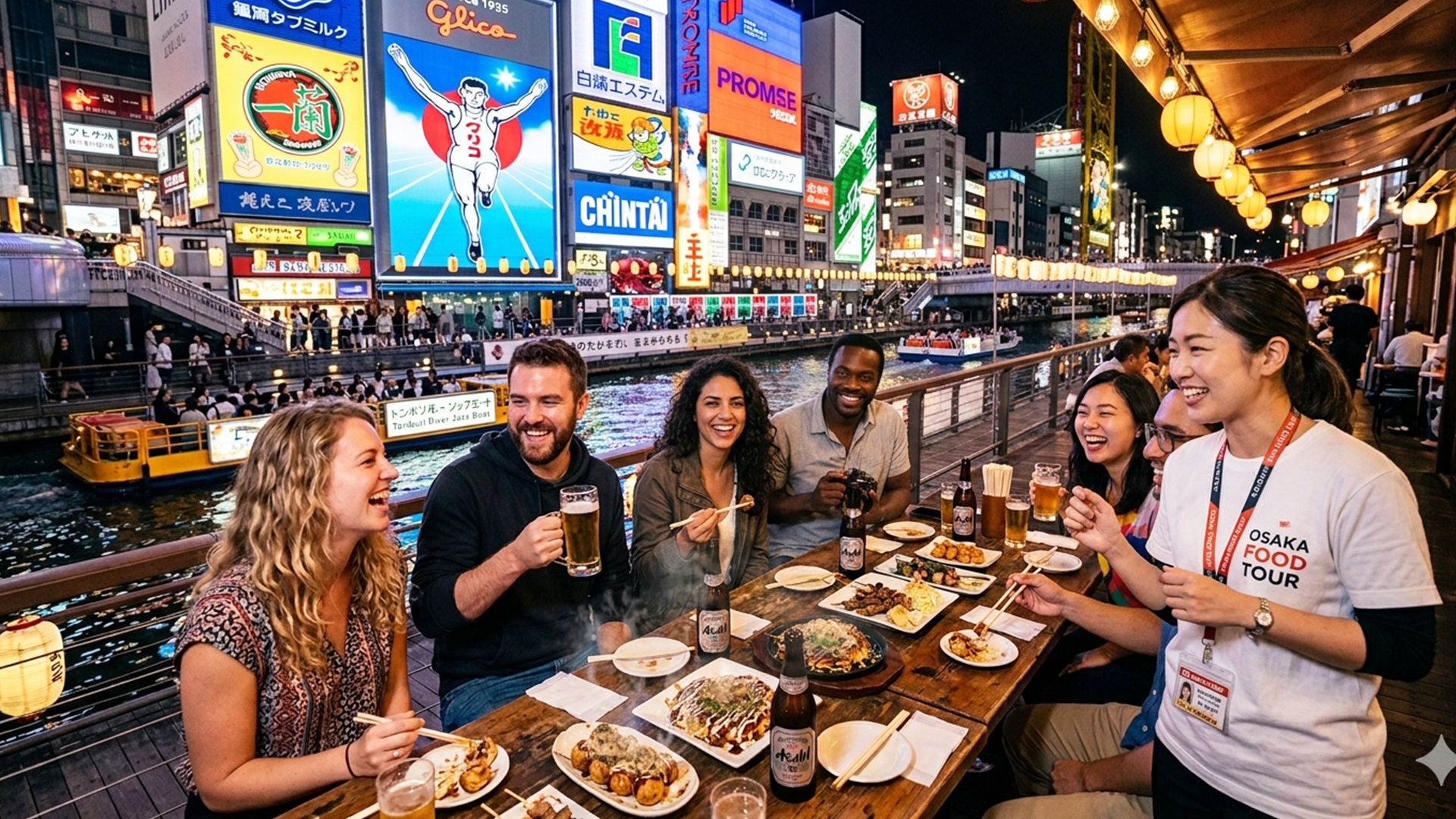
Neon-lit canal banks and Osaka's oldest food stalls, best explored after dusk
Hand-picked by our editors — only the best 8 culinary experiences from 42 reviewed.
Verified partners for Dotonbori Food Tour Osaka tours, free cancellation where available, and instant confirmation on every booking.
3 hr
Explore hidden eateries in Shinsekai with a local guide, sampling takoyaki, kushikatsu, and 13 more dishes
Reserve
3 hr
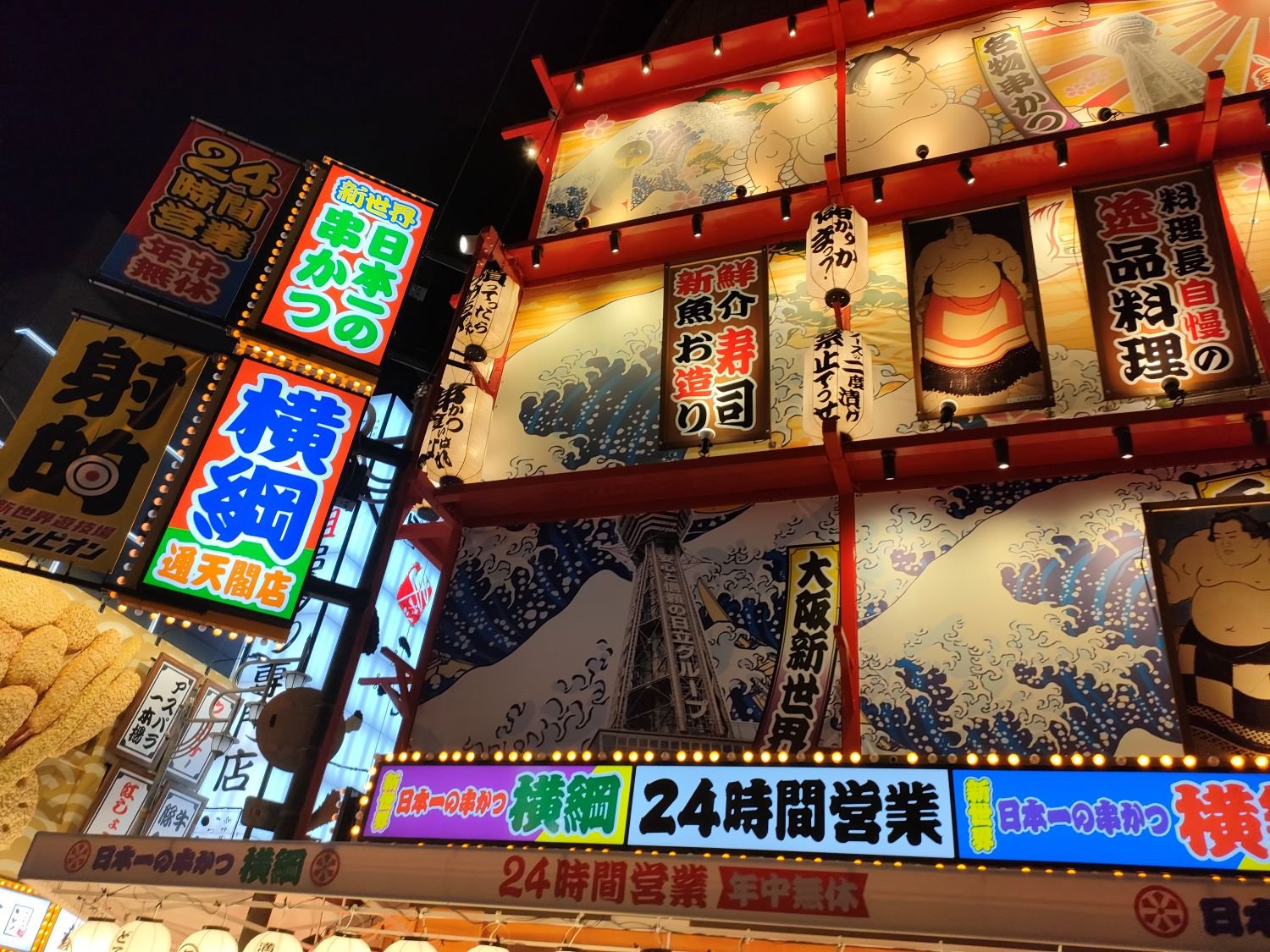
Dive into Osaka's culinary soul with kushikatsu, takoyaki, yakitori, and more across five local eateries
Reserve
3 hr
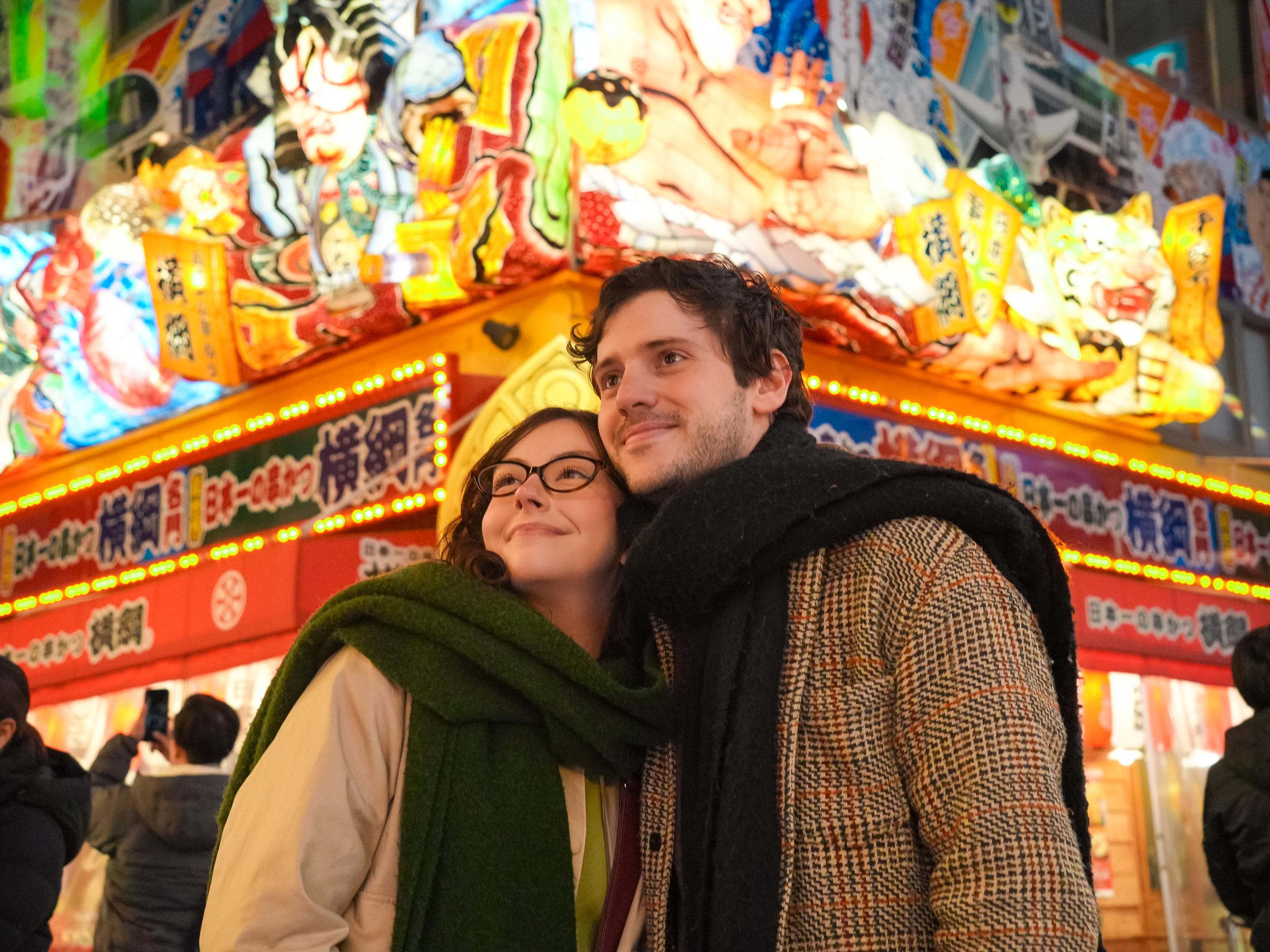
Explore Osaka's neon-lit Shinsekai district through 17 authentic dishes, local guides, and hidden neighborhood stories.
ReservePrices from verified partners. Availability updates in real time at checkout. Free cancellation policies apply where shown.
The landmarks, rooms, and views travelers on Dotonbori Food Tour Osaka tours remember — all visible on a single visit.
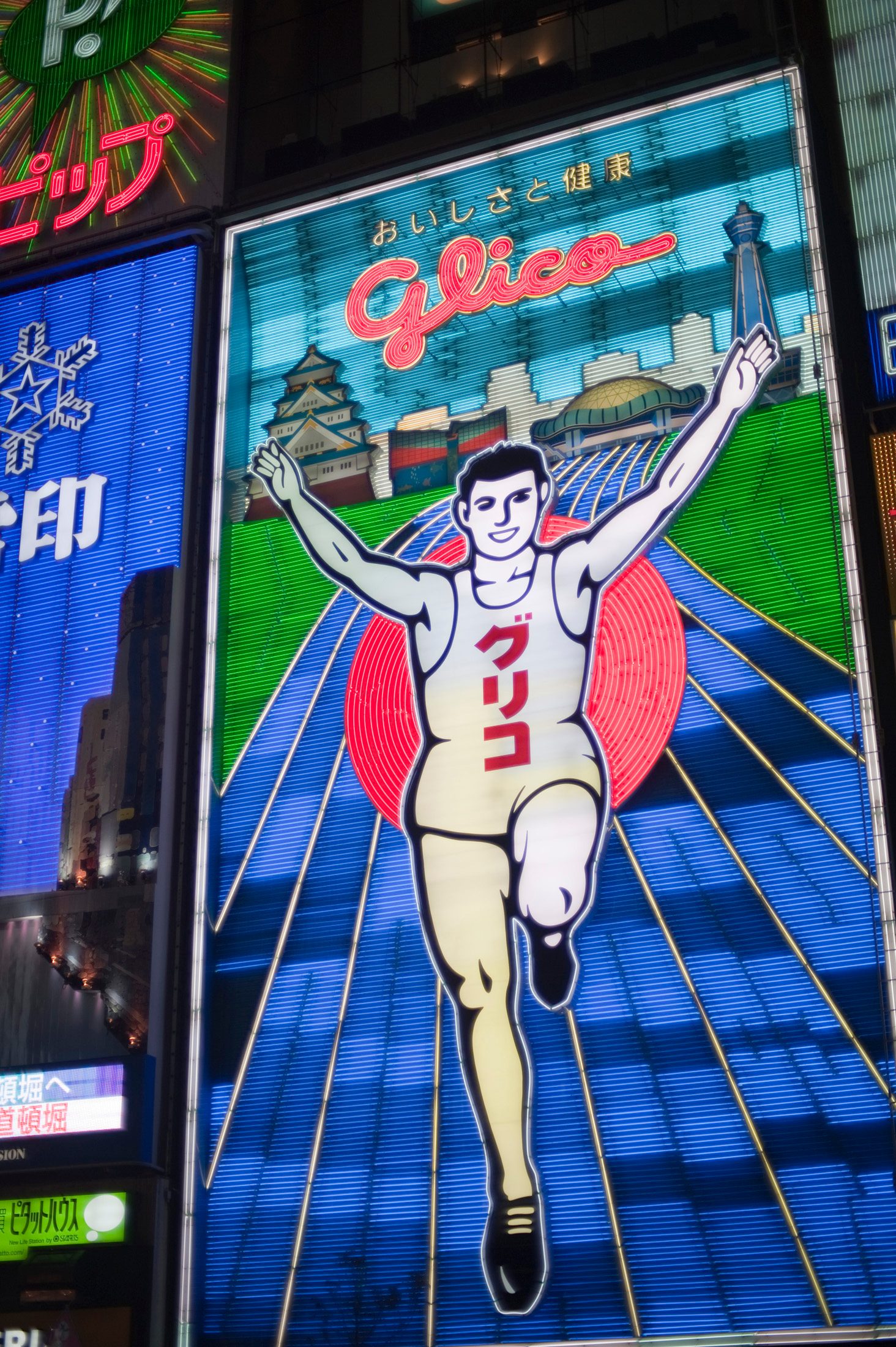
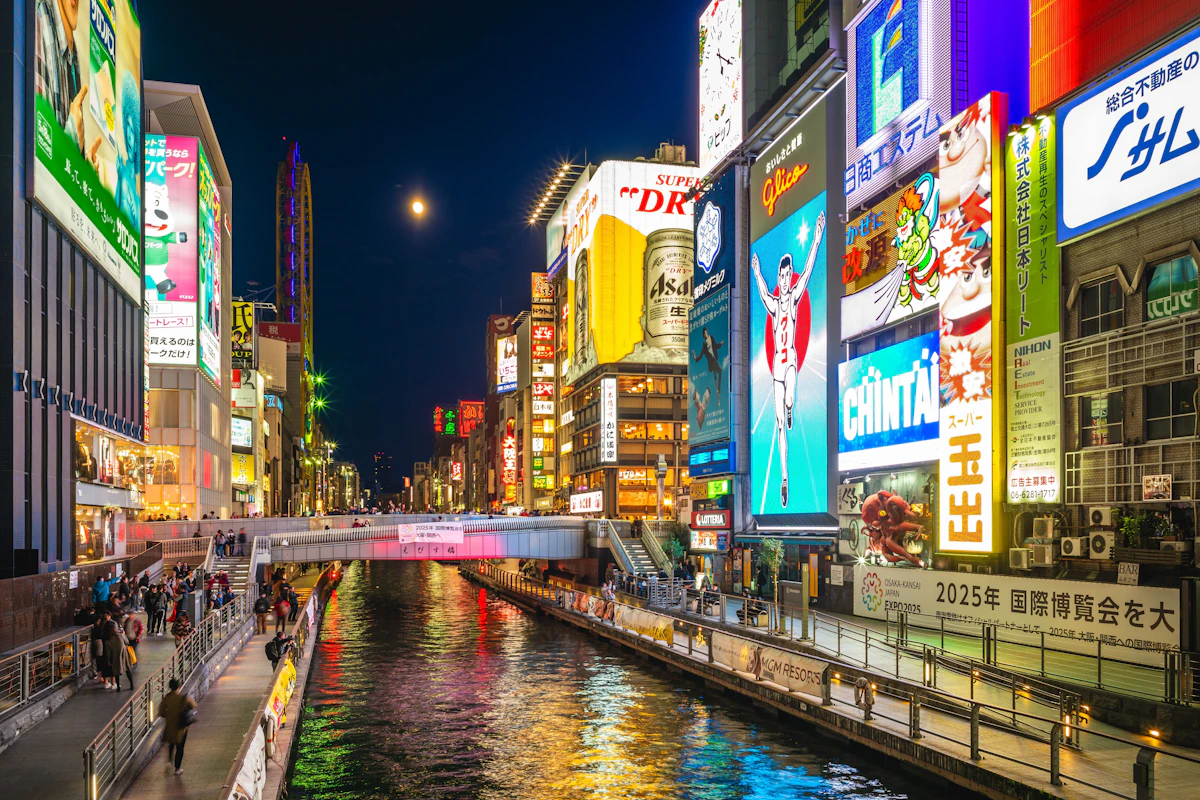
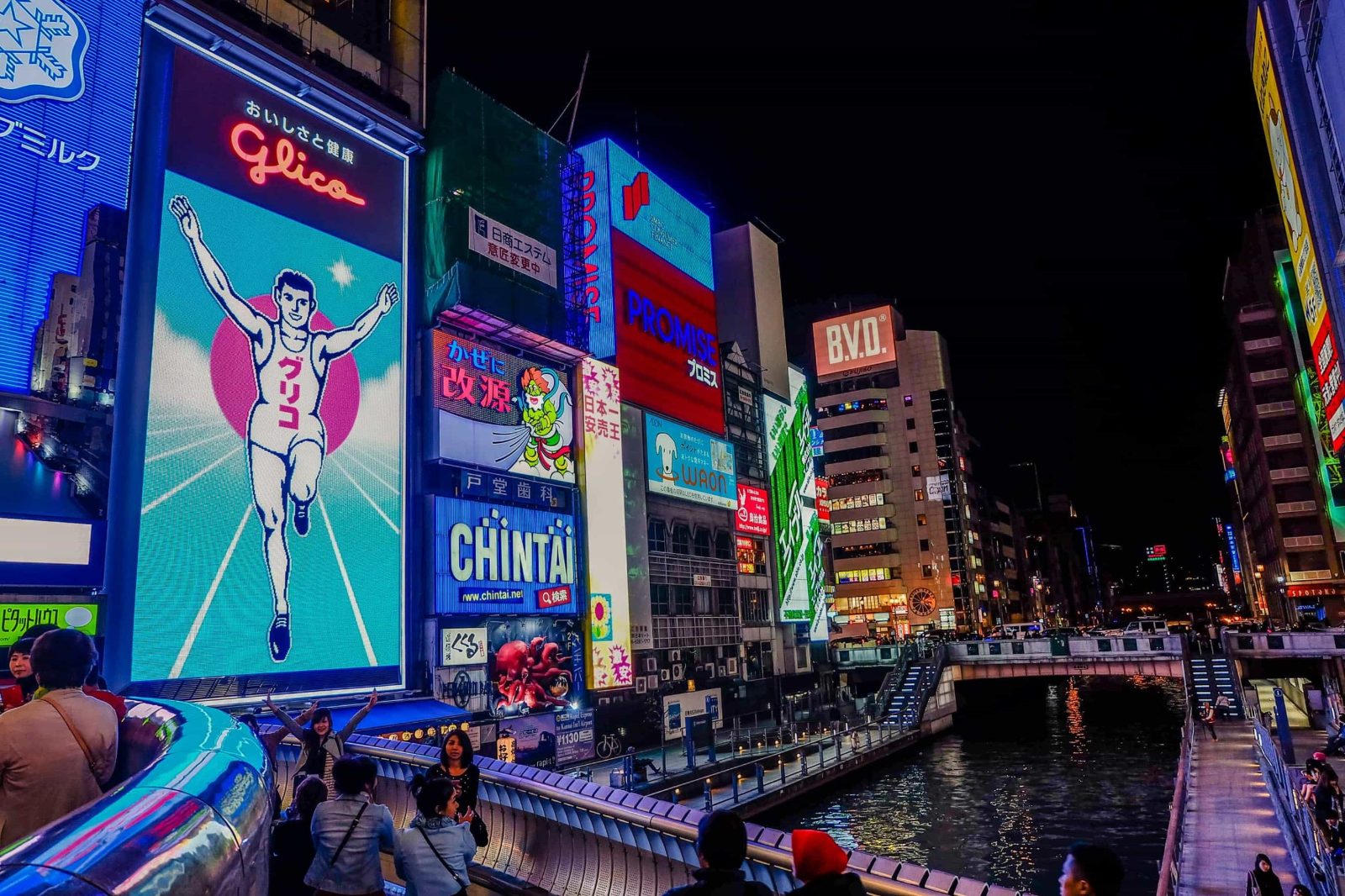
An iconic neon billboard active since 1935 featuring a running athlete. It is located near the Ebisubashi Bridge and is a primary photo spot.
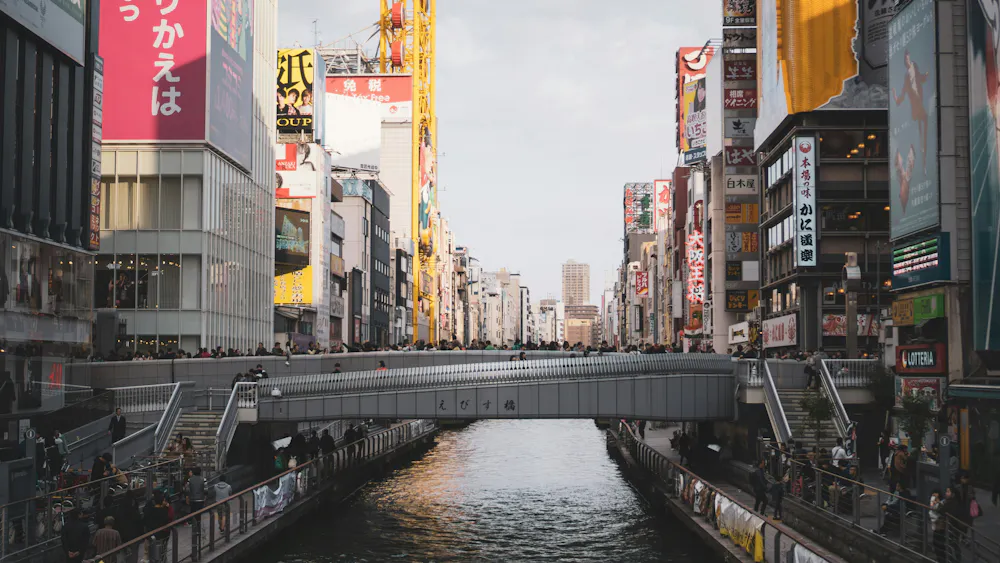
A central landmark crossing the canal that serves as a popular meeting point for locals and tourists. It provides the best view of the canal signs.
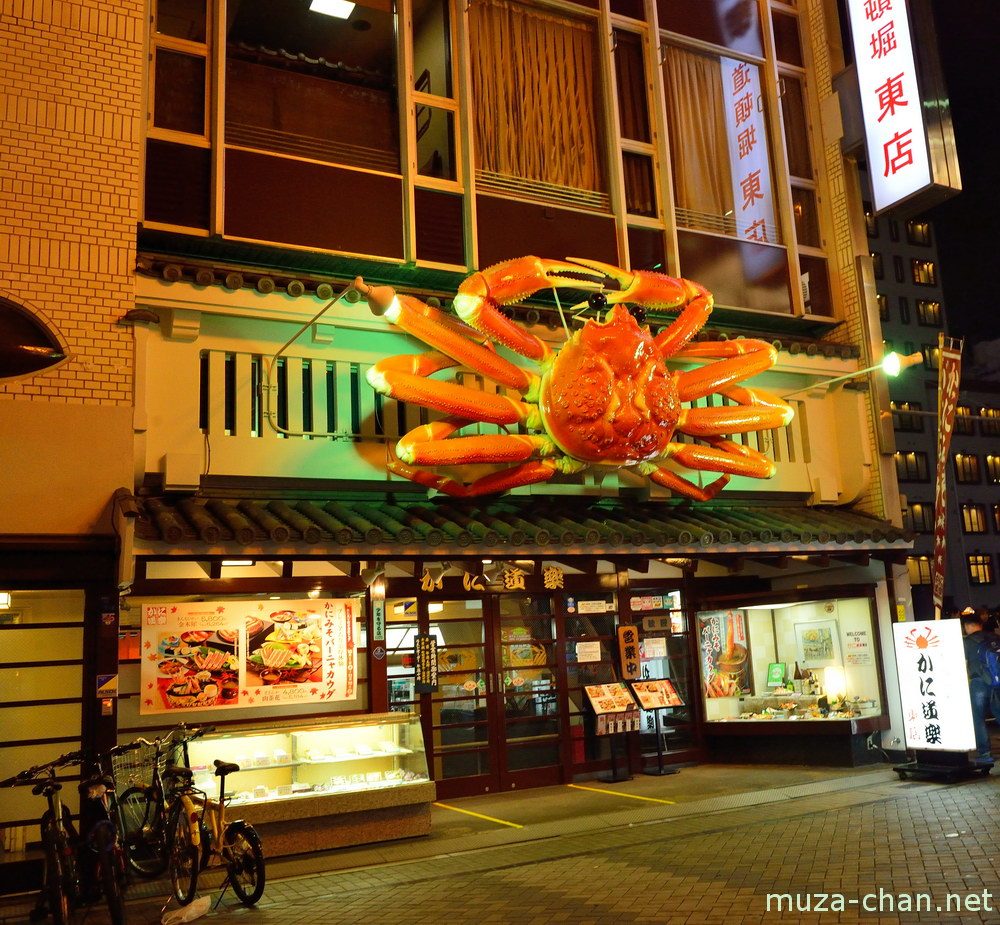
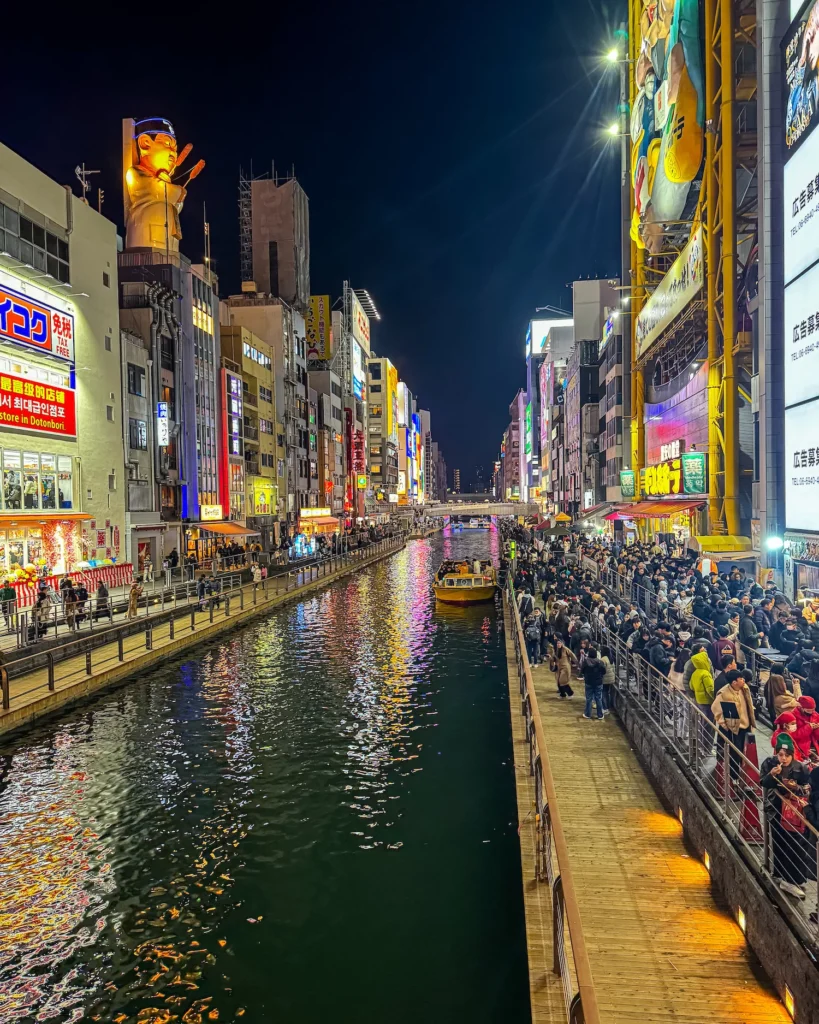
A giant 2.4-meter mechanical crab sign that has been a landmark of the district since 1960. It sits above the famous crab restaurant.
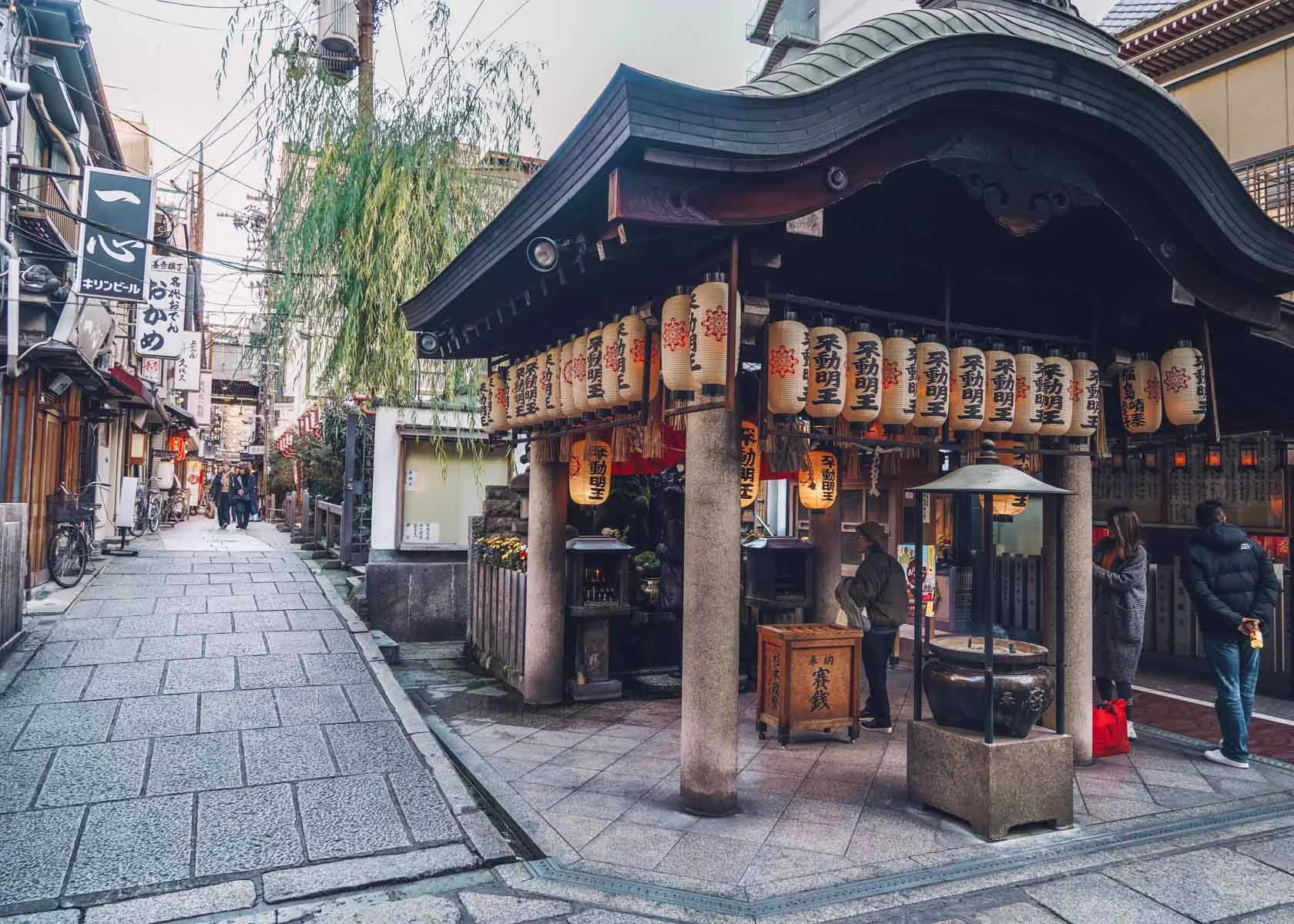
A tranquil, historic Buddhist temple hidden within a small alleyway off the main street. Visitors pour water over the moss-covered Fudo Myoo statue for good luck.
A scenic promenade running along the Dotonbori Canal that allows for riverside strolls and boat cruise access.
Every Dotonbori Food Tour Osaka tour side-by-side — duration, what's included, how you redeem.
| Experience | Duration | Rating | Guide | Free cancel. | Price | |
|---|---|---|---|---|---|---|
|
Standard Entry Most popular
Osaka Shinsekai Food Tour: 15 Dishes & 3 Drinks
|
3 hr | ★ 4.8 | ✓ | ✓ | €53 | Book → |
|
Standard Entry
Shinsekai Street Food Tour with 15 Tastings
|
3 hr | ★ 4.9 | ✓ | ✓ | €61 | Book → |
|
Standard Entry
Shinsekai Street Food Walk: 17 Tastings & 4 Local Spots
|
3 hr | ★ 4.8 | ✓ | ✓ | €46 | Book → |
All prices from verified partners. Availability and exact terms confirmed at checkout.
They complement each other; most visitors who do both call the guided dotonbori food tour osaka the more social experience for discovering regional delicacies. Self-guided dining provides total freedom, whereas a local Osaka food tour provides context for the street food scene.
| Feature | Top pick Guided Tour | Self-Guided Dining |
|---|---|---|
Structure |
Planned itinerary and group pacing | |
Cost |
Typically 8,000–15,000 JPY | |
Language Barrier |
Minimal with bilingual guide | |
Local Insights |
Curated historical and culinary stories | |
Dining Variety |
Pre-selected signature dishes | |
Flexibility |
Fixed schedule and group dependencies | |
| See tickets → |
Verdict: Choose the dotonbori food tour osaka tour if you want to bypass navigation challenges, or opt for self-guided exploration if you prefer to linger at specific Osaka landmarks at your own pace while utilizing dotonbori food tour osaka tickets-style digital navigation tools.
Choose your ticket, select your date, and reserve in under two minutes. Secure checkout handled by our verified partner.
Instant confirmation by email, with a mobile voucher you can save offline. No printing, no queuing at a collection desk.
Arrive at the entrance, show your voucher on your phone, and walk in. Most tickets include priority or skip-the-line access.
Practical details for Dotonbori Food Tour Osaka tickets straight from our verified partners — hours, access, rules, and how to get there.
Casual and comfortable clothing is recommended for your dotonbori food tour osaka. Wear comfortable walking shoes as the area is best explored on foot.
Keep belongings secure in crowded areas. Public lockers are available at nearby stations for your dotonbori food tour osaka bags.
Photography is encouraged throughout the district, especially near the Glico Man sign. Be respectful of private storefronts during your dotonbori food tour osaka.
The main streets are flat and paved, making it accessible for wheelchairs. However, some traditional restaurants on the dotonbori food tour osaka route may have narrow entrances.
Mobile phones are permitted. Keep ringer off inside exhibition spaces.
The district is family-friendly and open to all ages. Many dotonbori food tour osaka experiences offer free entry for infants under 2 years old.
Eating while walking is common in this specific district, unlike most of Japan. A dotonbori food tour osaka will introduce you to takoyaki, okonomiyaki, and kushikatsu.
Pets are not allowed, with the exception of service animals with appropriate documentation.
Last entry is typically 1 hour before closing. Check the specific ticket for timing.
Best time to go, insider tips, nearby landmarks, and the cancellation fine print — flip through to skim what matters to you.
Flexible, no hidden fees.
For a dotonbori food tour osaka tour, check your specific operator for booking changes. Standard policies usually offer refunds up to 24–48 hours prior to start time.
The Dotonbori canal was dug in 1612 by entrepreneur Yasui Doton, who envisioned a waterway linking the city's inland rice merchants to coastal trade routes. Doton died before completion, but Osaka's magistrates honored him by naming the finished channel Dotonbori — "Doton's moat."
By the late seventeenth century, five kabuki theaters lined the south bank, drawing crowds that needed feeding. Street vendors clustered beneath the theater eaves, and the district's identity as Osaka's culinary stage was set. The neon arrived in 1935 when Glico erected its first kinetic billboard — a sprinting runner above the Ebisubashi Bridge — and within two decades, three-dimensional crab legs, blowfish lanterns, and gyrating octopus signs turned the quarter into Japan's most photographed food street.
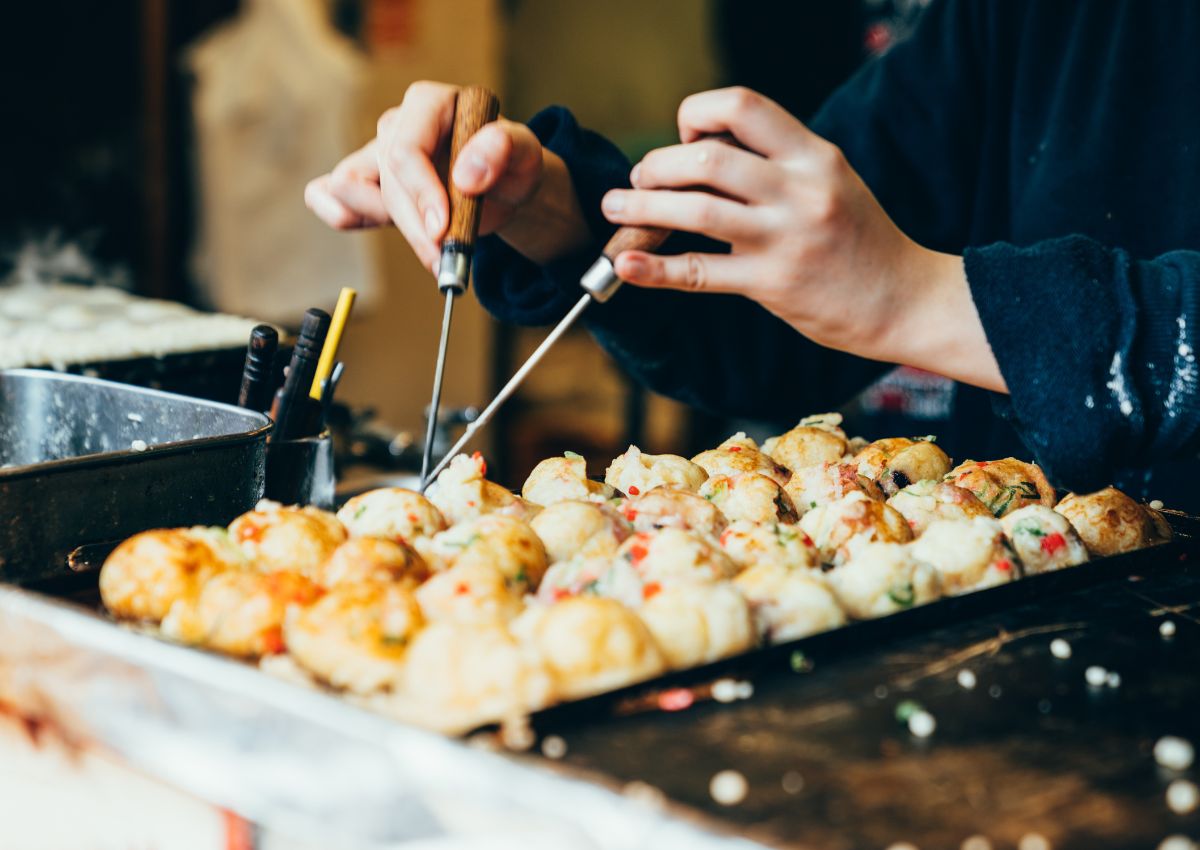
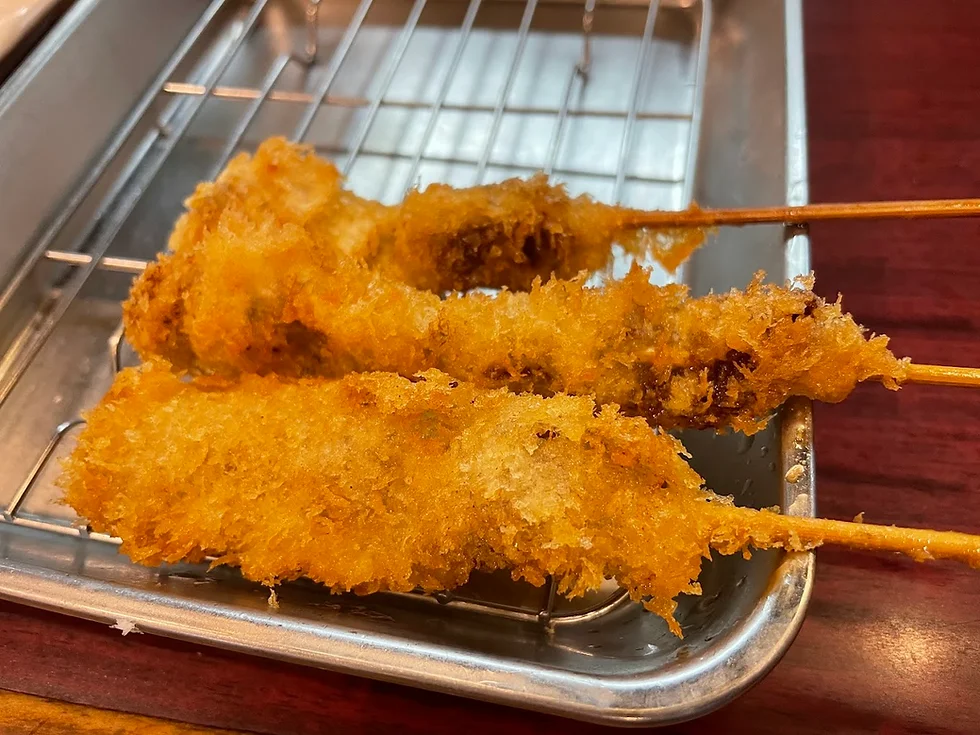
Today, Dotonbori remains the geographic center of Osaka's kuidaore culture, a term translating roughly to "eat until you drop." The district spans six blocks along the canal's south bank, anchored by Ebisubashi Bridge to the east and Nippombashi to the west. More than two hundred restaurants, izakayas, and standing bars occupy the arcade buildings, many operating continuously since the postwar reconstruction. Takoyaki — batter spheres filled with octopus — originated here in 1935 at a stall that still trades under the same family name. OkonomiyakiGriddled pancakes layered with cabbage, pork, and a sweet-savoury sauce are prepared on teppan grills visible from the street. Kushikatsu, Osaka's contribution to the fried-skewer canon, follows a single inviolable rule: no double-dipping in the communal sauce bowl.
An osaka food tour through Dotonbori typically begins at dusk, when the LED boards ignite and the canal reflects amber and cyan in equal measure. Most dotonbori food tour osaka tours depart from Namba Station's southern exit and proceed west along Dotonboritori Street, stopping at four to six vendor stalls or small restaurants. The route passes beneath the Glico sign, pauses at Hozenji Yokocho — a moss-covered alley temple dating to the 1600s — and terminates near Shochikuza Theatre. Walking guides explain the mechanics of kuidaore, the etiquette of standing bars, and the nineteenth-century rivalry between Osaka and Kyoto that shaped Kansai cuisine. The district operates around the clock, but the best arrival window is 16:00 to 20:00, when stall operators begin their evening prep and the neon gains contrast against a dimming sky. Entrance to the public district is free; individual food purchases and guided osaka food tour experiences carry separate fees.

"By the late seventeenth century, five kabuki theaters lined the south bank, drawing crowds that needed feeding."
A step-by-step walkthrough of Dotonbori Food Tour Osaka tickets — what you'll see, how long each stage takes, and the details that matter.
You emerge from Namba Station's Exit 14 into a corridor of backlit menus and the smell of charring batter. The canal lies one block south, visible between the arcade pillars as a ribbon of reflected light. You walk toward the Glico runner, pausing on Ebisubashi Bridge as evening foot traffic builds around you.
A guide meets your group here, holding a laminated paddle marked with your tour operator's logo. You descend to the south bank and stop first at a takoyaki window, where an operator pours batter into hemispherical molds and flips each sphere with two metal picks. You eat standing, the octopus still hot enough to burn.
The route turns west into Hozenji Yokocho, a stone-paved alley barely two meters wide. Moss covers the temple deity's face; you watch a woman ladle water over the statue before lighting incense. The guide explains the ritual, then leads you to a kushikatsu counter where fifteen skewers — asparagus, quail egg, pork loin, lotus root — wait under a heat lamp. You dip once, eat, and move on. The final stop is an okonomiyaki shopfront with six teppan grills visible through the window. You sit at the counter and watch the cook build your pancake layer by layer, finishing with a crosshatch of brown sauce and a scatter of bonito flakes that writhe in the rising steam. You leave through the back exit onto Sennichimae-dori, the neon now fully lit behind you.
Entry to the district is 0 JPY as it is a public space.
The best arrival window is 16:00–20:00 to enjoy the evening atmosphere.
You should book your dotonbori food tour osaka tickets through licensed operators online.
Yes, the district is open 24 hours a day, though individual shops vary.
The district is centrally located at Dotonbori, Chuo Ward, Osaka, 542-0071, Japan, near Namba Station.
Yes, a dotonbori food tour osaka is a family-friendly activity suitable for all ages.
Bring cash in JPY, comfortable shoes, and your camera for the best sights.
Yes, photography is permitted in public areas during your dotonbori food tour osaka.
Yes, the main streets are flat and accessible for most visitors.