3 hr
Shinsekai Street Food Tour
Feast your way through Osaka's retro district with 15 tastings, 3 drinks, and a local guide
Reserve
Hand-picked by our editors — only the best 5 vegetarian food tours from 127 Osaka experiences reviewed.
Verified partners for every tour, free cancellation where available, and instant confirmation on every booking.
3 hr
Feast your way through Osaka's retro district with 15 tastings, 3 drinks, and a local guide
Reserve
3 hr
Explore hidden eateries in Osaka's Shinsekai district with a local guide and savor 15 authentic dishes.
Reserve
3 hr
Sample plant-based Japanese street food across two contrasting neighborhoods with a local guide.
ReservePrices from verified partners. Availability updates in real time at checkout. Free cancellation policies apply where shown.
The landmarks, rooms, and views travelers on this tour remember — all visible on a single visit.
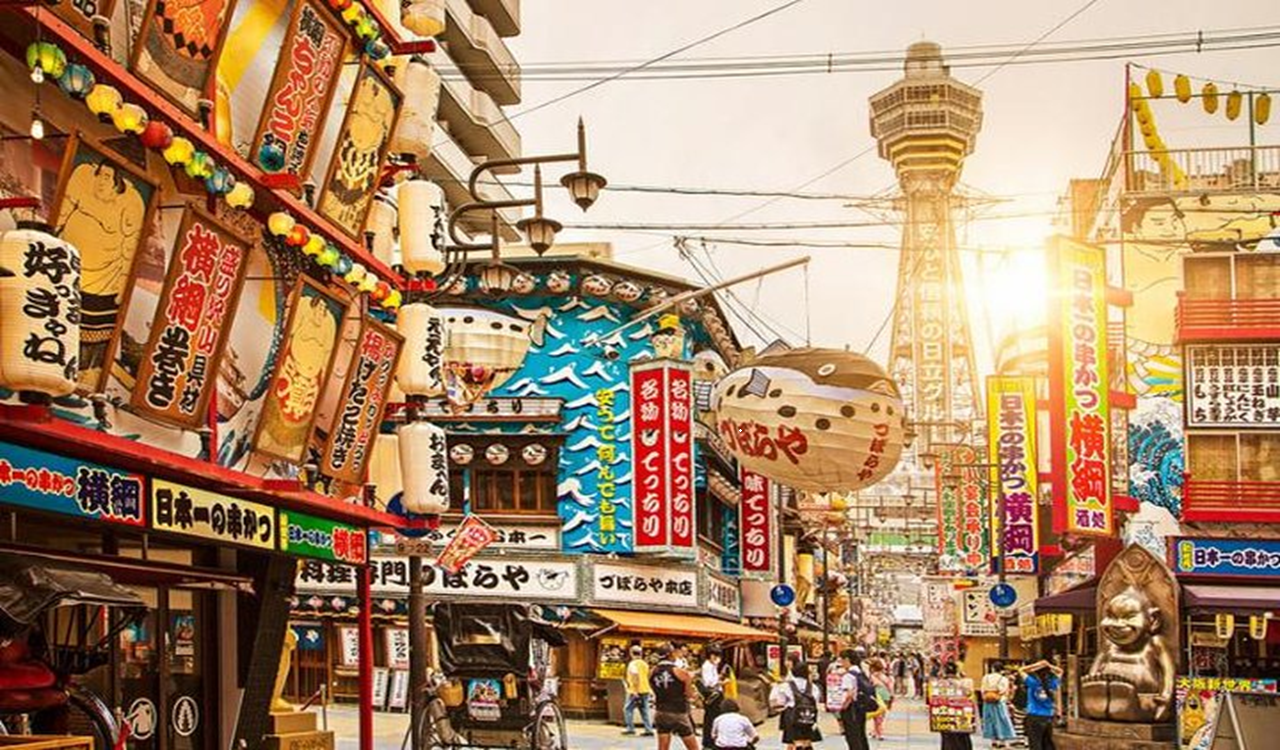
This observation tower stands 108 meters tall and is a centerpoint for Shinsekai navigation. It was originally built in 1912 to resemble the Eiffel Tower.
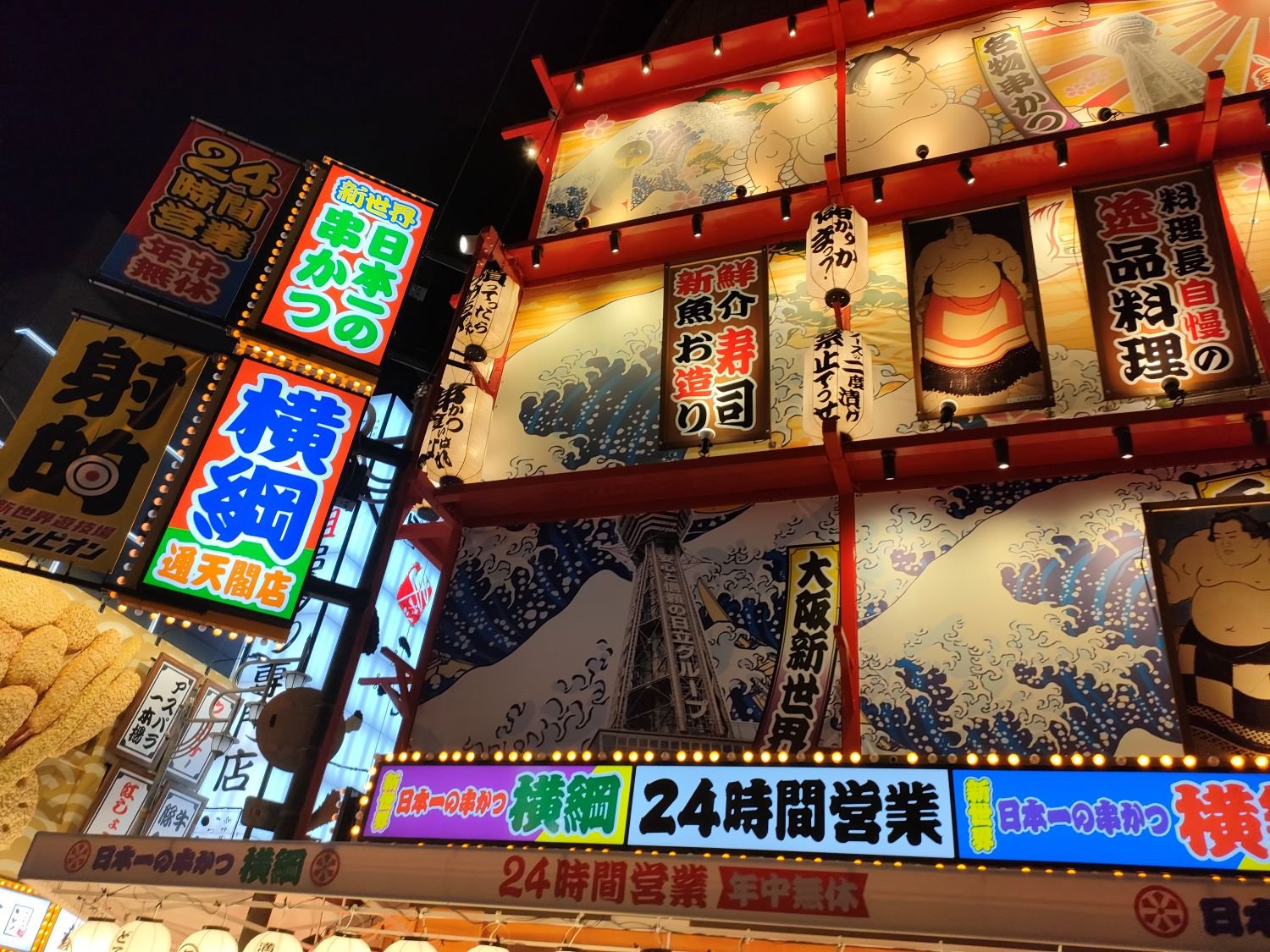
These wooden structures feature unique signage reflecting the Showa-era aesthetic of Osaka. Many vendors have operated here for over 50 years.
These narrow paths contain the most authentic culinary gems away from the main tourist routes. Most are only wide enough for two people to pass.
Traditional paper lanterns illuminate the streets in the evening to guide diners to stalls. These are hand-painted by local artisans.
Colorful murals depicting local history appear on various walls throughout the district. They often highlight the culinary heritage of the area.
Professional guides streamline the search for plant-based kushikatsu, while independent discovery allows for total schedule flexibility. They complement each other; most visitors who do both call the guided osaka food tour vegetarian the more efficient path to authentic, meat-free Japanese cuisine.
| Feature | Top pick Guided Tour | Self-Guided Exploration |
|---|---|---|
Navigational Ease |
Expert-led routes | Manual mapping required |
Language Barrier Handling |
Full translation support | Individual translation effort |
Number of Tastings |
5–7 curated items | Dependent on traveler |
Depth of Local Insight |
High cultural context | General observation only |
Ability to Customize Pace |
Fixed group schedule | Fully independent pacing |
Price |
12,000 JPY (summer) | 0 JPY (food costs vary) |
| See tickets → |
Verdict: Choose the osaka food tour vegetarian tickets for deep cultural context and stress-free dining, or opt for a self-guided Osaka food tour vegetarian tour if you prefer setting your own tempo through the neon streets of Shinsekai.
Choose your ticket, select your date, and reserve in under two minutes. Secure checkout handled by our verified partner.
Instant confirmation by email, with a mobile voucher you can save offline. No printing, no queuing at a collection desk.
Arrive at the entrance, show your voucher on your phone, and walk in. Most tickets include priority or skip-the-line access.
Practical details for your visit straight from our verified partners — hours, access, rules, and how to get there.
1-18-6 Ebisuhigashi, Naniwa-ku, Osaka
Look for the guide holding a green flag.
Use the Midosuji Line to Dobutsuen-mae Station. The district is a 10-minute walk from the station exit.
Casual and comfortable walking shoes are recommended for the osaka food tour vegetarian. Given the summer heat, breathable fabrics are advised when walking through the district.
Small daypacks are convenient for an osaka food tour vegetarian, though large luggage is discouraged due to narrow shop aisles. Security is generally provided by shopkeepers and local patrols.
Photography of food and neon signs is encouraged during your osaka food tour vegetarian. Always respect the privacy of local residents and avoid filming inside kitchens without permission.
While Shinsekai is mostly flat, the osaka food tour vegetarian may include shops with narrow entrances. Inform your guide in advance if you require barrier-free pathing or have specific mobility needs.
Mobile phones are useful for navigation and capturing photos during an osaka food tour vegetarian. Keep devices silenced while inside quiet dining areas.
Families are welcome on an osaka food tour vegetarian, which offers a great cultural introduction for children. Note that many food stalls become crowded, so close supervision is necessary.
This osaka food tour vegetarian experience prioritizes meat-free dishes like grilled tofu or vegetable skewers. Please notify the operator of specific allergies prior to the start of your tour.
Pets are generally not permitted inside the food venues visited during an osaka food tour vegetarian. Please arrange for pet care before joining the group.
The osaka food tour vegetarian focuses on local culinary traditions while ensuring dietary inclusions. Group sizes are kept small to navigate the bustling district effectively.
1-18-6 Ebisuhigashi, Naniwa-ku, Osaka
Look for the guide holding a green flag.
Get directionsBest time to go, insider tips, nearby landmarks, and the cancellation fine print — flip through to skim what matters to you.
How crowds, weather, and events shift across the year.
March to May offers mild temperatures perfect for an osaka food tour vegetarian. Cherry blossoms often create a scenic backdrop near the district.
Small details that turn a good visit into a great one.
Reserve your osaka food tour vegetarian slots in advance as weekend groups fill quickly.
Non-bookable sights within a short walk — free to visit, easy to pair.
An iconic observation tower offering views of the surrounding Osaka cityscape.
Flexible, no hidden fees.
Tours must be cancelled at least 24 hours prior to the scheduled start time to receive a full refund. As there is a 0 JPY entrance fee for the district, this policy applies only to the selected participant tour price.
Hand-picked options within walking distance — pick a district for vibe, or a specific hotel for convenience.
Located conveniently for travelers joining an osaka food tour vegetarian.
Osaka's vegetarian food culture predates the modern plant-based movement by thirteen centuries. When Buddhist monks arrived from the Korean peninsula in the sixth century, they brought shōjin ryōri — a temple cuisine that transformed seasonal vegetables, mountain herbs, andfermented soy into meals structured around the five flavors and five colors. The discipline banned all animal products, including dashi made from bonito, and required cooks to honor each ingredient's intrinsic character rather than mask it with heavy sauces. By the Edo period, Osaka's merchant class had adopted simplified versions of these recipes, and vegetable-forward cooking became woven into the city's broader culinary identity alongside takoyaki and okonomiyaki. Today, Shinsekai — the neon-lit entertainment district in Naniwa-ku — offers one of Japan's most accessible entry points for visitors seeking plant-based versions of Osaka street food. The neighborhood's dense concentration of izakaya, standing bars, and open-front stalls means that vegetarian adaptations of kushikatsu, oden, and tempura have proliferated alongside their meat-centric originals. Tofu specialists operate from century-old wooden storefronts, pressing silken blocks by hand each morning and serving them with nothing more than grated ginger and tamari. Vegetable tempura vendors coat lotus root, shiso leaf, and sweet potato in rice-flour batter so light it shatters audibly when bitten. These preparations are not substitutes or afterthoughts; they are legitimate expressions of Osaka's broader food philosophy, which prizes texture contrast, umami layering, and the kind of bold, direct seasoning that comes from centuries of feeding a working-class population. An osaka food tour vegetarian itinerary typically begins near Tsutenkaku Tower as the district's lanterns flicker on around half past five in the evening. Guides lead small groups — rarely more than eight participants — through backstreet workshops and counter-only kitchens where English menus are uncommon and ingredient sourcing is explained in real time. You taste yuba (tofu skin) lifted warm from soy milk, konnyaku noodles dressed in sesame miso, and grilled eggplant glazed with sweet soy reduction. Each stop foregrounds a single technique or ingredient, and the walk structure ensures that the fifteen to seventeen tastings remain distinct rather than blurring into a single heavy meal. The format mirrors Osaka's own dining rhythm, in which residents move between specialized vendors rather than settling into one restaurant for the entire evening. Shinsekai's vegetarian food tours also serve as practical primers on navigating Japan's broader plant-based landscape. Guides explain how to identify bonito-free dashi, recognize hidden fish sauce in okonomiyaki batter, and request ingredient substitutions without causing kitchen confusion. They introduce participants to terms like gomoku (five-ingredient rice), agedashi (fried and simmered tofu), and nasu dengaku (miso-glazed eggplant) — vocabulary that proves useful across Osaka's thousands of independent restaurants. By the tour's end, visitors have not only eaten well but acquired the linguistic and cultural tools needed to continue eating well on their own.

"These preparations are not substitutes or afterthoughts; they are legitimate expressions of Osaka's broader food philosophy."
A step-by-step walkthrough of the visit — what you'll see, how long each stage takes, and the details that matter.
You meet your guide beneath Tsutenkaku Tower as the district's neon signs begin their evening flicker, the air already thick with the scent of frying batter and caramelized soy. The group — six others, all holding dietary cards printed in Japanese — follows a narrow alley past pachinko parlors and standing bars until you reach a tofu workshop no wider than a subway car. The owner, aproned and silent, hands you a ceramic bowl containing a single block of silken tofu, still warm, dressed only with grated ginger and a few drops of tamari. You taste it immediately: clean, faintly sweet, with a custard-like wobble that dissolves on your tongue. Two blocks north, you stand at a kushikatsu counter where the fry cook works a vat of pale oil, coating lotus root, shiitake, and shiso leaf in panko so fine it looks like powder. You dip each skewer once — house rules — into a communal sauce thickened with fruit and miso, and the crunch echoes in your ears before the flavors register. The guide explains that this batter contains no egg, a concession Shinsekai vendors made decades ago to accommodate Buddhist visitors during temple festivals. The final stop is a low-ceilinged izakaya where the menu is written in chalk on wooden plaques. You try nasu dengaku — eggplant halves grilled until the flesh turns molten, then painted with white miso paste and torched until the surface blisters. It arrives on a clay dish, still bubbling. You eat slowly, aware that this is the fifteenth dish of the evening, and that your understanding of Osaka's food culture has quietly tripled in the span of ninety minutes.
The district is open 00:00–23:59 every day, allowing visitors to explore at their own pace.
While streets are flat, some shops have small steps; please discuss specific mobility needs for your osaka food tour vegetarian with the operator.
Small bags are fine, but large luggage should be stored at stations before beginning your osaka food tour vegetarian.
Yes, photography is permitted, and documenting your osaka food tour vegetarian experience is highly recommended.
The best arrival window is 17:30–19:00, which offers a great evening atmosphere for an osaka food tour vegetarian.
No formal dress code is required for an osaka food tour vegetarian, though comfortable footwear is essential.
Yes, this specific tour is designed to cater to dietary restrictions with vegetarian-friendly street food options.
The district is a 10-minute walk from Dobutsuen-mae Station; follow the signs to your osaka food tour vegetarian meeting point.
Yes, families are welcome to join an osaka food tour vegetarian, though the environment can get quite crowded.
You can receive a full refund if you cancel your osaka food tour vegetarian tickets at least 24 hours in advance.
You can combine your osaka food tour vegetarian with a visit to Tsutenkaku Tower, which is located in the heart of Shinsekai.